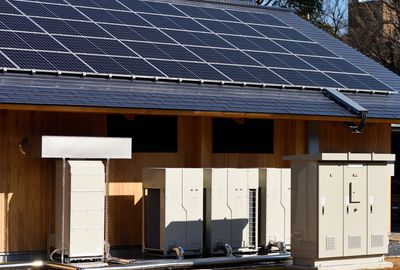
Off-grid homes and shops, and small microgrids that can island from the utility, depend on good sizing. Too small and you run out of power in December; too big and you've overspent. MI Energy sizes the solar, storage and backup, designs the system and prepares the permit documents. Licensed contractors build it.
Permits still apply off the grid
L&I requires an electrical permit and inspection for all new electrical installations, regardless of size or voltage, and system components must be listed, field evaluated or engineer approved before inspection. Local building or planning approval may be needed for siting and the structural parts of the installation.
Wind in unincorporated Pierce County
Pierce County allows one wind unit per home, rated under 10 kW, outside the front yard setback. Zone height limits apply unless the unit is set back an extra foot for each foot over; blades must stay at least 15 feet above the ground; guy wire anchors must be 10 feet from property lines; and in urban zones, power lines for a detached unit go underground.
What we design
• Energy use and seasonal load analysis
• Solar, battery and generator sizing
• Wind tower foundations, by a Washington-licensed professional engineer (PE)
• Equipment layout, pads and racking
• Microgrid controls concept with your electrical contractor
• Permit documents
Off-grid FAQ
Q: Do I need a permit if I'm not connected to the utility?
A: Yes. L&I's electrical permit requirement covers new installations regardless of size or voltage.
Q: Can I add wind?
A: In unincorporated Pierce County, one unit under 10 kW per home is allowed, subject to setbacks and height rules. Cities have their own rules.