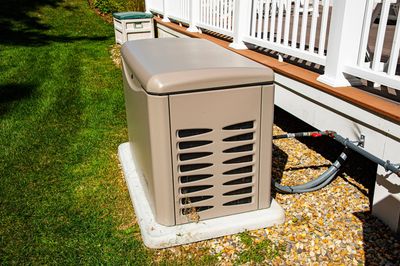
A standby generator keeps a home, shop or business running through outages. Getting one permitted means a site plan, a pad, the right clearances, and an electrical permit for the transfer switch and wiring. MI Energy prepares the site plan, pad design and permit documents. Your licensed electrical contractor installs the generator and transfer switch and buys the electrical permit.
Permits to expect
L&I requires an electrical permit for all new electrical installations, including generation sources. It also notes you may need approval from your local building or planning department for siting, and permits for the mechanical and structural parts of an installation.
What we prepare
• Site plan with generator location, clearances and setbacks
• Concrete pad design, with engineering by a Washington-licensed professional engineer (PE) when required
• Fuel supply location notes for your gas or fuel supplier
• Load list for your electrician's transfer switch sizing
• Documents for building or planning review
Pairing with batteries and solar
Many owners pair a generator with a battery or solar. We plan them together so the equipment and transfer switching work as one system. See Home Battery Permits.
Generator FAQ
Q: Do I need a permit for a standby generator?
A: The electrical work needs a permit bought by your electrical contractor, and your city or county may require building or planning approval for the location.
Q: How close can it be to my house or property line?
A: Clearances depend on the manufacturer, the fire code and local setbacks. We check them for your site.