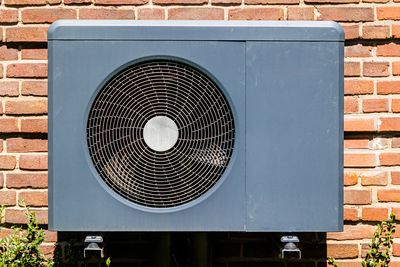
A heat pump heats and cools with one system, and utilities pay real money to help homes switch. The details matter: equipment size, panel capacity, and the program rules that decide whether you get the rebate. MI Energy sizes the system, checks the electrical capacity and lines the project up with rebate requirements. Your HVAC contractor installs it and handles the mechanical and electrical permits that apply.
Rebates that shape the project
PSE: $1,500 to replace electric resistance heat with a qualifying heat pump; $2,400 with income-based Efficiency Boost; up to $4,000 for income-qualified customers switching from gas. The installer must be a PSE Recommended Energy Professional or Trade Ally. Heat pump water heaters: $1,000 ($1,100 with Efficiency Boost). Checked Nov 2026.
Tacoma Power: $1,000 for a ductless or air-source heat pump replacing zonal or electric forced-air heat; $2,000 for a variable-speed heat pump replacing an electric forced-air furnace; $1,000 for a variable-speed heat pump replacing non-electric heat. A Tacoma Power Participating Contractor must do the install. Checked Nov 2026.
See PSE Rebates and Tacoma Power and Other Utilities.
New homes: energy code credits
In a new Washington home, the heating system choice counts toward the energy code. Under the 2021 code, a heat pump as the primary heat source earns 3.0 equalization credits for most dwellings, compared with 0 for combustion heating.
What we prepare
• Load-based heating and cooling sizing
• Electrical panel capacity check
• Equipment selection notes to match rebate requirements
• Indoor and outdoor unit locations
• Energy code credit documentation for new homes and additions
Heat pump FAQ
Q: Does PSE's rebate apply to new construction?
A: No. PSE's electric-resistance-to-heat-pump rebate excludes single-family new construction.
Q: Can a heat pump go in my ADU?
A: For PSE's rebate, the ADU must be occupied full time, independent of the main house, and have a full kitchen and bath.